
For much of my life, I believed dance happened primarily in studios and on stages. I believed the performance was the thing itself—the culmination of rehearsals, artistic vision, and creative labor. Over time, however, I have come to understand that dance exists within a much larger ecosystem. The performance may be the most visible part of the work, but it is often supported by countless invisible acts of care, leadership, advocacy, and community building.
My understanding of leadership began to change when I found myself spending as much time supporting artists as I did creating art. Through my work as a dance artist, organizational leader, fundraiser, and advocate, I became increasingly involved in the systems that sustain creative practice. I worked with artists seeking resources to realize their projects, students whose access to dance depended upon scholarships, and organizations striving to serve their communities despite limited means.
Initially, I viewed these responsibilities as separate from my artistic identity. Eventually, I realized they were deeply connected.
I began to see leadership not as authority, but as stewardship.
Stewardship requires caring for something that existed before you and will continue after you. In dance, that means caring for lineage. Every class, rehearsal, and performance carries traces of teachers, mentors, collaborators, and communities whose knowledge has been passed from body to body across generations. Dance is a living archive. Unlike a book sitting on a shelf, its knowledge survives only when people continue to embody it, share it, challenge it, and transform it.
Through my work supporting artists and leading community initiatives, I have become increasingly aware of how fragile that transmission can be. Lineage depends upon people having the opportunity to remain in the field long enough to receive knowledge, develop their voices, and pass that knowledge forward. Yet many artists face barriers that make long-term participation difficult. Financial instability, limited resources, and burnout continue to shape who gets to remain in dance and whose stories are ultimately preserved.
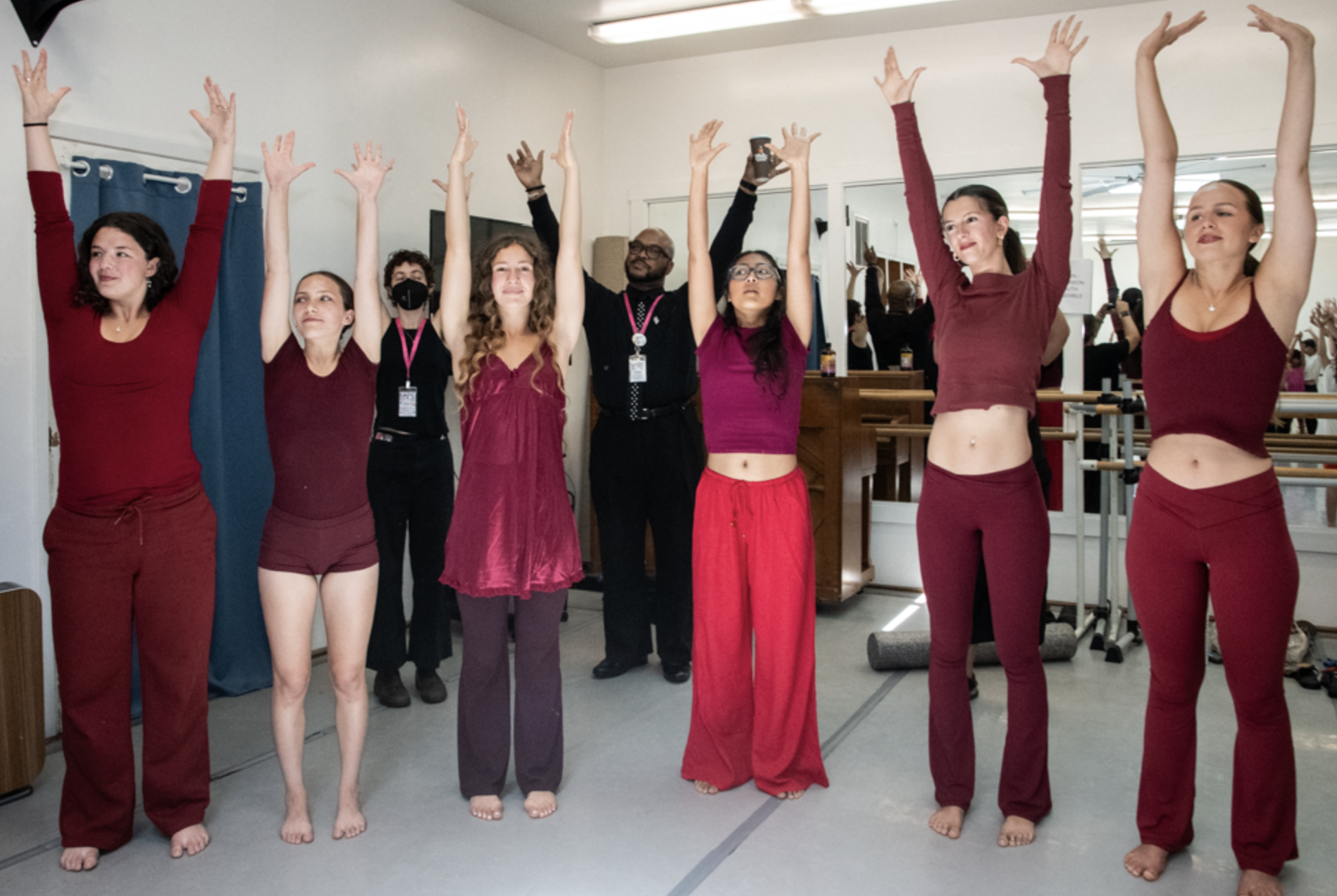
One of the clearest lessons I have learned about access and sustainability comes through the Future Movers Fund. This scholarship and tuition assistance program helps young dancers participate in training regardless of financial circumstances. Through this work, I have seen firsthand how talent is distributed far more evenly than opportunity. I have watched young dancers grow in confidence, artistry, and self-belief because someone removed a barrier that stood in their way.
I often think about a recital audience watching a child take the stage. The audience sees a performance. What they may not see are the layers of support that made that moment possible: a scholarship donor, a teacher’s encouragement, a parent’s commitment, a community’s investment in a young person’s future. That dancer is not standing alone. They are standing within a network of care.
The Future Movers Fund has reinforced for me that access is not charity—it is investment. Every time we remove a barrier, we create the possibility for a new voice to emerge, a new story to be told, and a new generation to carry dance forward. In many ways, that is what lineage requires: not simply preserving traditions, but ensuring that people have the opportunity to inherit and transform them.
For years, I thought about sustainability primarily through this lens. I considered the health of organizations, funding structures, and artistic communities. Then, this past year, sustainability became deeply personal.
I underwent two major surgeries: a splenectomy followed by a port replacement procedure. Like many people who dedicate themselves to supporting others, I was accustomed to measuring my value through productivity and contribution. Recovery challenged that perspective. There were moments when rest was not optional, when healing became the work itself.
Deadlines continued to exist. Responsibilities continued to accumulate. Yet my body demanded a different pace. For perhaps the first time, I experienced firsthand the tension many artists face when their physical, emotional, or financial realities collide with expectations of constant productivity.
The experience transformed how I think about care within the arts.
Too often, sustainability is discussed primarily as a financial challenge or an organizational challenge. While those dimensions matter, I have come to believe that sustainability is fundamentally about human capacity. Artists are not inexhaustible resources. Administrators are not inexhaustible resources. Community leaders are not inexhaustible resources. Behind every grant application, rehearsal, performance, fundraising campaign, and strategic plan is a person whose ability to contribute depends upon their own well-being.
My recovery also revealed the importance of community. During a period when I could not rely solely on my own strength, I was reminded how much of life is sustained through relationships. Friends checked in. Colleagues stepped forward. People offered support in both large and small ways. Their generosity reinforced something I have long believed about dance communities: our greatest asset is not a building, a budget, or a performance season. It is our capacity to care for one another.
Today, when I think about artistic sustainability, I think less about endurance and more about interdependence.
I think about the student who receives a scholarship and discovers a future in dance. I think about the independent artist who gains access to resources that make a project possible. I think about mentors who invest their time in the next generation and communities that choose to support organizations because they understand their value. These acts of care are not separate from artistic practice. They are part of the creative ecosystem itself.
This perspective has changed how I define success. I still value compelling performances and innovative choreography, but I have also come to value the quieter forms of impact. Success can look like access. Success can look like preservation. Success can look like making it possible for someone else to continue.
In many ways, the most meaningful work I have encountered in dance happens beyond applause.
Leadership, as I understand it now, is the willingness to invest in futures you may never fully see. It is the work of creating conditions in which artists can thrive, knowledge can be passed forward, and communities can continue to gather around creative expression. It is an acknowledgment that art does not emerge in isolation but through relationships, support systems, and collective effort.
Dance teaches us that movement is never static. Each gesture emerges from what came before and creates the possibility for what comes next. The same is true of leadership and sustainability. We inherit responsibilities from those who came before us, and we shape opportunities for those who will follow.
The work beyond the stage is often invisible. Yet it is there—in every scholarship awarded, every artist supported, every story preserved, and every act of faith in the future. It is the work that allows dance not only to exist, but to endure.
